The fashion industry is one of the world's largest polluters, responsible for 10% of global carbon emissions and 20% of wastewater. But there's good news: by making thoughtful choices about the clothes we wear, we can dramatically reduce our environmental impact while building a wardrobe that's more functional, versatile, and timeless.
The Case for Natural Fibers
At the heart of sustainable fashion is the choice of materials. Natural fibers offer compelling advantages over synthetic alternatives:
- Biodegradable: Return to the earth naturally at end of life
- Renewable: Grown or raised annually without depleting resources
- Low microplastic pollution: Don't shed plastic particles in the wash
- Energy efficient: Often require less energy to produce than synthetics
- Carbon sequestration: Plants and animals capture carbon as they grow
The Synthetic Problem
Polyester, the world's most-used fiber, is essentially plastic made from petroleum. A single polyester garment can shed 700,000 microplastic fibers in one wash. These microplastics end up in our oceans, drinking water, and food chain. Natural fibers offer a solution.
The Sustainable Wardrobe Philosophy
Building a sustainable wardrobe isn't about perfection—it's about making better choices. The most sustainable garment is the one you already own, worn and cared for properly. But when it's time to add to your wardrobe, consider these principles:
1. Quality Over Quantity
Fast fashion has trained us to view clothing as disposable. A sustainable approach inverts this thinking: buy fewer items of higher quality that will last years, not months.
"The average person wears only 20% of their wardrobe regularly. Building a smaller, more thoughtful collection of quality pieces you love leads to more satisfaction and less waste."
2. Timeless Over Trendy
Trend-driven purchases quickly become obsolete. Classic styles in natural fibers remain relevant and wearable for decades. Consider pieces that transcend seasonal trends.
3. Versatility Over Specificity
Choose pieces that work in multiple contexts and can be styled different ways. One versatile piece worn 100 times is more sustainable than five specific pieces worn 20 times each.
4. Care Over Replacement
Proper care extends garment life significantly. Natural fibers, especially, improve with age when properly maintained. Learn to repair, refresh, and care for your clothes.
Essential Natural Fiber Pieces
A sustainable wardrobe built on natural fibers includes these foundational pieces:
The Cotton Basics
- White organic cotton tee: The ultimate wardrobe essential
- Black organic cotton tee: Equally essential for versatility
- Cotton button-down shirt: Dress up or down
- Organic cotton jeans: Look for durability and timeless cuts
The Linen Layers
- Linen pants: Comfortable and professional
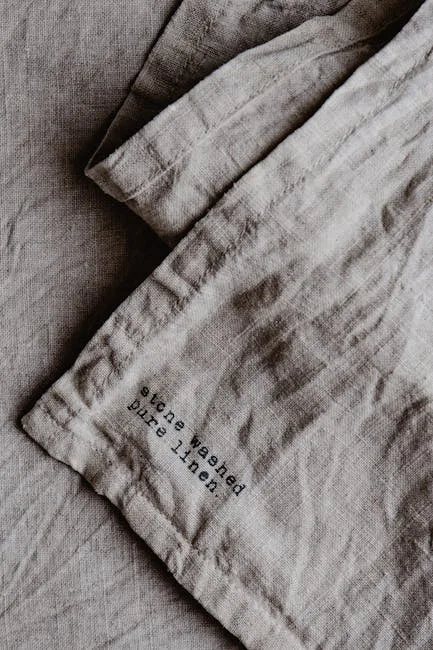
- Linen shirt: Perfect for warm weather
- Linen dress or tunic: Effortlessly elegant
The Wool Warmers
- Merino base layers: Temperature regulation year-round
- Wool sweater: Classic and endlessly versatile
- Wool coat: Investment piece that lasts decades
- Wool socks: Comfort and durability for your feet
The Luxury Accents
- Silk blouse or scarf: Elevates any outfit
- Cashmere sweater: Lightweight luxury
- Hemp jacket: Durable and sustainable
The Capsule Wardrobe Approach
A capsule wardrobe—typically 30-40 pieces including shoes—is the practical application of sustainable fashion principles. Every piece works with multiple other pieces, creating dozens of outfit combinations from a limited collection.
Building Your Capsule
- Audit your current wardrobe: What do you actually wear? What brings you joy?
- Identify your style: What aesthetic feels authentically you?
- Choose a color palette: 2-3 neutral bases + 2-3 accent colors
- Select foundational pieces: Start with basics in natural fibers
- Add layers and accents: Build complexity gradually
- Refine seasonally: Adjust pieces for climate while maintaining core items
Sample Neutral Palette
Base colors: Navy, cream, gray
Accent colors: Rust, olive, burgundy
This palette works across seasons and allows natural fiber colors to shine while creating endless combinations.
Shopping Sustainably
When you do need to add to your wardrobe, shop with intention:
Questions to Ask Before Buying
- Do I love this piece, or just like it?
- Can I wear it with at least three items I already own?
- Is it made from natural, sustainable materials?
- Is the quality good enough to last for years?
- Does it fit my current lifestyle and needs?
- Am I buying it to fill an emotional void?
- Can I care for it properly?
Where to Shop
Prioritize these sources in order:
- Your own closet: Rediscover forgotten pieces
- Secondhand/vintage: Extends garment life, often unique finds
- Rental services: For special occasions or trend exploration
- Sustainable brands: Companies committed to ethical, natural fiber production
- Local artisans: Support small-scale makers using natural materials
Caring for Natural Fibers
Proper care is the cornerstone of sustainability. Well-maintained natural fiber garments can last decades.
Universal Care Principles
- Wash less frequently: Air out between wears, spot clean when possible
- Use cold water: Saves energy and protects fibers
- Choose gentle detergents: Harsh chemicals break down natural fibers
- Air dry when possible: Dryers cause wear and consume energy
- Store properly: Clean garments in breathable storage
- Repair promptly: Fix small issues before they become big problems
Fiber-Specific Care
Cotton: Durable and easy care. Machine wash cold, tumble dry low or hang dry.
Linen: Gets softer with washing. Machine wash cold, air dry flat or hang. Embrace wrinkles or steam.
Wool: Wash infrequently in cool water with wool detergent. Dry flat, never hang wet.
Silk: Hand wash in cool water or dry clean. Hang dry away from direct sunlight.
The Mending Mindset
Repair is a radical act in our throwaway culture. Learning basic mending skills extends garment life significantly:
Essential Mending Skills
- Sewing buttons: 5-minute fix that saves a garment
- Patching holes: Can become decorative features
- Darning: Beautiful way to repair worn areas in knits
- Hemming: Adjust length as styles change
- Reinforcing seams: Prevents small splits from growing
Many communities now have "repair cafes" where experienced menders help others learn. This revival of traditional skills is part of the sustainable fashion movement.
End-of-Life Considerations
Even well-loved garments eventually wear out. Natural fibers offer sustainable end-of-life options:
Before Disposal
- Repair or alter: Can it be salvaged with creative fixes?
- Donate or sell: Someone else might love what you no longer wear
- Repurpose: Turn clothing into rags, quilts, or craft materials
- Textile recycling: Many communities now offer textile recycling
Composting Natural Fibers
100% natural fiber garments without synthetic threads or plastic components can be composted. Cut into small pieces to speed decomposition. Note that dyed fabrics may contain chemicals—research your specific items.
Circular Fashion
The ultimate goal is circular fashion: materials that can be endlessly recycled or safely returned to nature. Natural fibers are inherently circular, unlike synthetics that degrade into microplastics.
The Cost Calculation
Sustainable fashion often requires higher upfront investment. But consider the true cost:
Fast Fashion Hidden Costs
- Environmental degradation
- Worker exploitation
- Poor quality requiring frequent replacement
- Psychological cost of constant consumption
- Closet clutter and decision fatigue
Sustainable Fashion Value
- Higher quality lasting years longer
- Lower cost per wear
- Environmental and social benefits
- Satisfaction from curated wardrobe
- Supporting ethical businesses
A $150 organic cotton shirt worn 200 times costs $0.75 per wear. A $30 fast fashion shirt worn 20 times costs $1.50 per wear—plus environmental and ethical costs.
Making the Transition
Building a sustainable wardrobe is a journey, not a destination. Start where you are:
Immediate Actions
- Commit to caring better for what you own
- Pause before new purchases and ask the key questions
- Learn your fiber labels
- Organize your wardrobe to see what you have
Short-Term Goals (3-6 months)
- Replace worn basics with natural fiber alternatives
- Learn basic mending skills
- Identify and support sustainable brands
- Share your journey to inspire others
Long-Term Vision (1-3 years)
- Achieve a mostly natural fiber wardrobe
- Master garment care and repair
- Build a fully functioning capsule wardrobe
- Inspire your community toward sustainable choices
Beyond Your Closet
Personal choices matter, but systemic change requires collective action:
- Advocate for transparency: Demand brands disclose their supply chains
- Support legislation: Back policies promoting sustainable fashion
- Share knowledge: Help others make informed choices
- Vote with your wallet: Support ethical brands, avoid problematic ones
"We don't need a handful of people doing sustainable fashion perfectly. We need millions of people doing it imperfectly. Every choice matters."
The Joy of Sustainable Fashion
Sustainable fashion isn't about sacrifice or deprivation—it's about rediscovering the joy of clothing. When you wear natural fibers you love, that fit well and feel comfortable, that align with your values and will last for years, getting dressed becomes a pleasure rather than a chore.
Your wardrobe becomes a reflection of who you are and what you value. Each piece has a story, a purpose, a place. You spend less time shopping and more time living. Your environmental impact decreases while your personal style strengthens.
This is the promise of sustainable fashion: better for you, better for workers, better for the planet, and ultimately, more satisfying. Natural fibers make this vision achievable—beautiful, functional, timeless clothing that respects both people and planet.